
silver full length mirror
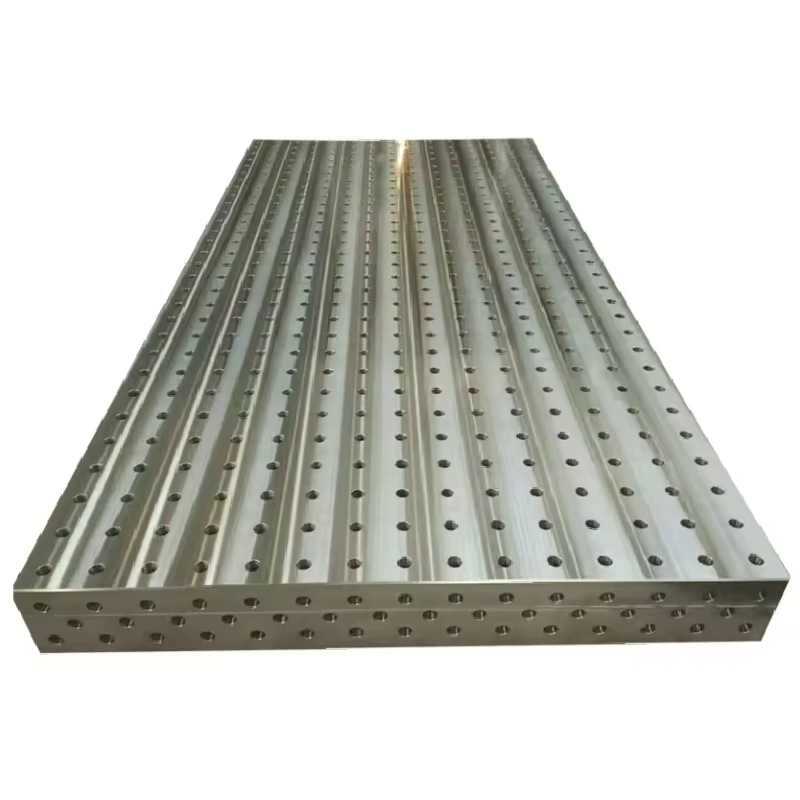
Understanding Metal Measuring Tools Essential Equipment for Precision Work In the world of manufacturing, engineering, and craftsmanship, precision is paramount. Whether it involves fabricating intricate parts for machinery or creating bespoke designs, accurate measurements are the backbone of quality output. Metal measuring tools play a critical role in this process, enabling professionals to achieve the exact specifications required in various applications. This article explores some of the most commonly used metal measuring tools, their purposes, and best practices for their use. 1. Calipers Calipers are versatile and widely used metal measuring tools essential for any workshop. They are primarily used to measure the distance between two opposite sides of an object. There are different types of calipers, including digital calipers, vernier calipers, and dial calipers. Digital calipers provide a clear, easy-to-read measurement on a digital display, while vernier and dial calipers offer analog readings that require a bit of interpretation. The maximum inside and outside dimensions can be measured, making calipers suitable for a wide range of tasks, from measuring shaft diameters to checking the thickness of sheet metal. 2. Micrometers For those needing even finer measurements, micrometers are the go-to tools. Micrometers are designed to measure small dimensions with great accuracy, usually down to one-thousandth of a millimeter. These tools operate on a screw mechanism that allows for minute adjustments, making them ideal for measuring the thickness of materials, such as sheets of metal or wire. They come in various designs, including outside micrometers, inside micrometers, and depth micrometers, each tailored for specific measuring needs. 3. Tape Measures While often associated with construction, tape measures are indispensable metal measuring tools in many metalworking applications. They are typically made of a flexible metal ribbon marked with measurements, allowing for easy measurement of lengths and widths. Tape measures also come in various lengths, with some retractable models providing convenience for storage and portability. Using a tape measure ensures accurate measurement over longer spans, crucial for cutting or shaping larger metal sections. metal measuring tools 4. Height Gauges Height gauges are essential when precision vertical measurements are necessary. These tools are utilized primarily in machining and inspection processes to determine the height of a workpiece or transfer measurements from a blueprint. Height gauges can be found in both manual and digital forms. Modern digital height gauges offer the added benefit of displaying measurements electronically, allowing for easier reading and recording. 5. Gage Blocks Gage blocks, also known as Johansson Gage blocks, are precision blocks of known dimensions used to calibrate measuring tools and ensure accuracy. These blocks come in various sizes and can be stacked to achieve specific measurements. They serve as a standard reference against which other tools can be measured. This is particularly important in environments where precision is critical, such as in aerospace or automotive engineering. 6. Levels and Squares Though not measuring tools in the traditional sense, levels and squares are indispensable for ensuring that measurements and cuts are square and true. A level ensures that a surface is perfectly horizontal or vertical, crucial when setting up machinery or assembling components. Squares, especially carpenter's squares and machinist's squares, help verify right angles, making them essential for fabrication and assembly. Conclusion Investing in quality metal measuring tools is foundational for anyone engaged in metalworking, whether a seasoned professional or a hobbyist. The precision these tools offer directly impacts the quality of work produced and ultimately determines the success of any project. Understanding the diverse range of tools available and their specific uses enables users to make informed choices for their measuring needs. By employing best practices and regularly calibrating tools, professionals can ensure that their measurements remain accurate and reliable, ultimately contributing to the high standards of workmanship that define excellence in the metalworking industry.
about
silver full length mirror
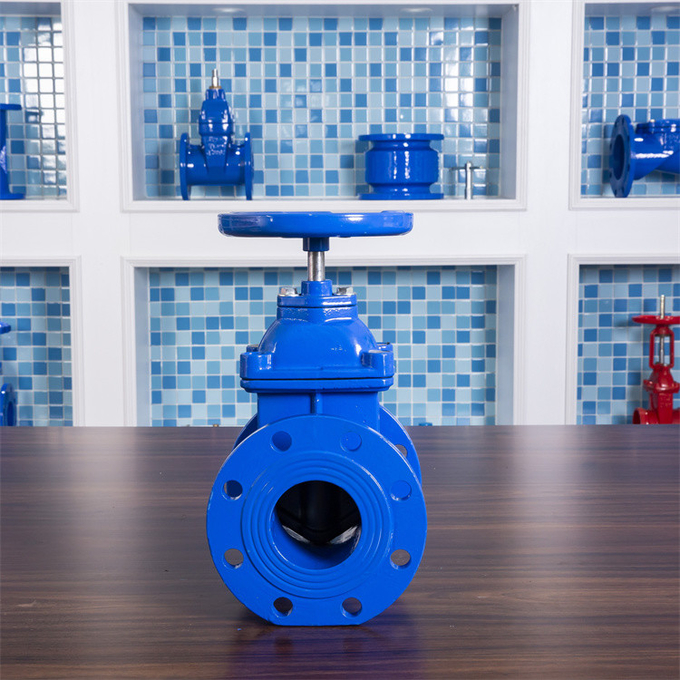
Understanding DN80 Gate Valves A Comprehensive Overview Gate valves are essential components in a wide range of piping systems, playing a crucial role in the regulation of fluid flow. Among the various specifications used in valve design, the term DN (Diameter Nominal) is crucial, indicating the nominal pipe size. In this article, we will delve into the specifics of the DN80 gate valve, exploring its features, applications, and considerations for selection and maintenance. What is a DN80 Gate Valve? Defined by the nominal pipe diameter of 80 millimeters (mm), a DN80 gate valve is specifically designed to control the opening and closing of fluid flow in a pipeline. The primary function of a gate valve is to provide full flow with minimal pressure drop, achieved through a wedge-shaped gate that can be raised or lowered within the valve body. This design makes it particularly suitable for applications where the valve is either fully open or fully closed, rather than used for throttling purposes. Key Features 1. Construction Material DN80 gate valves are typically constructed from a variety of materials including cast iron, ductile iron, stainless steel, and carbon steel. The choice of material depends on the application, as factors like temperature, pressure, and fluid composition play a significant role in material selection. 2. Sealing Mechanism Most DN80 gate valves employ a resilient seat design which ensures a tight seal. This reduces the chance of leakage, which is essential in applications where fluid loss can lead to significant operational inefficiencies or environmental hazards. 3. Operating Type Gate valves can be operated manually with handwheels, or automatically using actuators. The choice of operation often hinges on the specific needs of the system; for instance, larger installations may favor automation for efficiency and ease of control. Applications DN80 gate valves are widely used across numerous industries due to their versatility. Some common applications include gate valve dn80 - Water Treatment Plants Gate valves are integral to the operation of water distribution systems, allowing for the control of water flow and maintenance procedures. - Oil and Gas In oil pipelines, DN80 gate valves regulate the flow of crude oil and natural gas, ensuring safe and efficient transportation. - Chemical Processing The chemical industry often requires DN80 gate valves for handling various fluids, facilitating flow regulation while maintaining safety and integrity. Selection Considerations When selecting a DN80 gate valve, several critical factors should be taken into account 1. Pressure and Temperature Ratings The valve must be able to withstand the specific pressure and temperature conditions of the system. It is essential to check the valve's rating to ensure it is suited for the intended application. 2. Fluid Type Understanding the nature of the fluid flowing through the valve is crucial. For example, corrosive liquids will require a gate valve made from compatible materials to ensure longevity and reliability. 3. Installation Space The physical dimensions and orientation of the valve must align with the installation space available in the pipeline system, ensuring proper integration without requiring extensive modifications. 4. Maintenance Requirements Some gate valves may require more frequent maintenance than others, especially in high-pressure applications. Selecting a valve with lower maintenance needs can lead to cost savings and enhanced operational efficiency. Conclusion In summary, the DN80 gate valve is a vital component in various industrial applications, characterized by its ability to provide excellent flow control with minimal resistance. Understanding the features and benefits of DN80 gate valves, along with careful consideration of material, fluid type, and operating conditions, can lead to more effective systems that are both reliable and efficient. Whether in water treatment, oil and gas, or chemical processing, the right gate valve choice can significantly impact operational success.
-

High quality industrial productsagement

High quality industrial products
View Details -

Meet the diverse needs of customers

Meet the diverse needs of customers
View Details -

Strict quality control

Strict quality control
View Details -

Top raw materials

Top raw materials
View Details -

Trusted supplier

Trusted supplier
View Details
Our application

news and information
V Blocks Available for Purchase at Competitive Prices
Exploring V Blocks for Sale A Comprehensive Guide In the ever-evolving landscape of technology and

Valve Types
Valve types are the unsung heroes in the world of engineering and manufacturing, playing pivotal rol
Wholesale Solutions for Valve Supply and Distribution in Various Industries
Understanding Valve Wholesale A Comprehensive Overview In the industrial world, valves play a crucia
 English